
Yadavindra Gardens Pinjore Explore the Beauty of Mughal Gardens
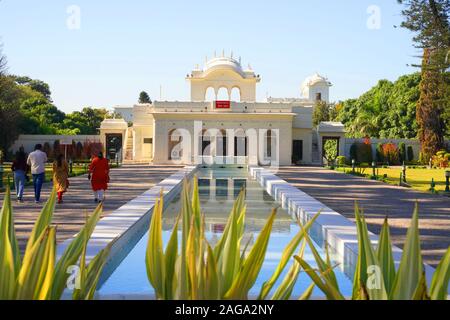
Pinjore Garden, also called Yadavindra Gardens, is one of the most sought-after tourist places in Chandigarh. With cascading fountains, royal pavilions, and lush greenery, it’s a perfect spot for picnics, heritage walks, and evening strolls. The entire garden is lit up after sunset in such a way that the ambience of the garden changes completely. The garden expands over a massive area of 100 acres and is a beautiful place to unwind with nature in the ever-growing concrete city. It is called the “Shish Mahal” (palace of glass), which is adjoined by a romantic "Hawa Mahal" (airy Palace). The monsoon season (July to September) brings rain and humidity, so it is better to avoid visiting during these months.
Religious Places in Haryana
The Baisakhi Festival and the Mango Festival in the months of June and July is the best time to visit this place The garden, covered with wild overgrowth, came under the territory ruled by the Maharaja of Patiala during the 19th century British Raj, who used the garden terraces to grow roses for making Ittar perfume for the maharaja. Enjoy your visit to Yadavindra Gardens, where tranquility and beauty await at every turn! Festivals at Yadavindra GardensYadavindra Gardens of Pinjore is also known for hosting festivals like the Baisakhi festival in April and for the Mango Festival in June and July, where a large variety of mangoes are displayed. He was so enchanted with the beauty of the place that he thought of making a beautiful garden there and this is how the concept of the gardens came into being. At that time, the Nawab was the Governor of the Province and during one of his tours, he happened to visit the Pinjore valley.
Pinjore Gardens, Haryana
It is also a venue for cultural events and festivals, such as the Baisakhi festival in April and the Mango festival in June. Visitors can enjoy illuminated fountains, cultural programs, and festive markets. These celebrations bring the garden to life with music, colors, food, and traditional charm, making it a must-visit destination for locals and tourists alike. Pinjore Garden isn’t just a visual delight—it’s also a vibrant cultural hub that hosts a variety of meals, events, and festivals throughout the year. This magnificent 17th-century Mughal-style garden is a captivating destination that blends history, horticulture, and recreation.

Today, Pinjore Garden stands as a testament to Mughal and Rajput architectural styles and continues to attract visitors with its serene ambiance and lush greenery. The structural style of the Pinjore garden is similar to the Shalimar bagh in Srinagar that’s based on the terrace-style garden. During the monsoon season you can visit to see a three day Mango festival organised in this garden every year. When we entered, the water flow was stopped and it was quite hot, so evenings are a better time to visit. As you walk through those gardens, saunter through that stretch of land entrenched with lavish fountains, dotted with Cypress and other varieties of plants, you shall be able to experience first-hand what it felt to be a king or queen. Whether you want to delve into the grandeur of Mughal gardens or enjoy a fun day at the water park, Pinjore Garden promises a memorable experience for all age groups.

Tourists from all over the world visit the Pinjore gardens to experience this Mughal creation that India has very proudly and carefully maintained. This includes time to explore the different sections of the garden, relax by the fountains, take photos, and enjoy a peaceful walk through the well-maintained pathways. The best time to visit Yadavindra Gardens, Pinjore is during the winter months, from October to March. The gardens were built during the 17th century by the Mughal rulers and later renovated by the Maharaja of Patiala, Maharaja Yadavindra Singh, in the 20th century, after whom the gardens are named.
- The garden, covered with wild overgrowth, came under the territory ruled by the Maharaja of Patiala during the 19th century British Raj, who used the garden terraces to grow roses for making attar perfume for the maharaja.
- The garden expands over a massive area of 100 acres and is a beautiful place to unwind with nature in the ever-growing concrete city.
- The garden is not just blessed with a vast expanse of flora but also houses within itself a Japanese-style garden, a splendid nursery, and spectacular picnic spots.
- The summer months (April to June) can be quite hot, with temperatures reaching above 40°C (104°F), making it less comfortable to explore the gardens.
- During the monsoon season you can visit to see a three day Mango festival organised in this garden every year.
- This stunning garden is one of the best examples of Mughal architecture and landscaping in India, and a perfect destination for a relaxing and refreshing getaway.
Botanical Garden
It was built in the foothills of Himalayas as one of the Mughal gardens summer retreat for the Aurangzeb (r. 1658–1707), who then had his capital at Lahore, by his foster brother and architect Muzaffar Hussain. It is an example of the Mughal gardens architectural style, which was renovated by the Patiala dynasty Sikh rulers. The rest of the garden is laid out with ponds, flowers, trees, and fountains. During the visit to the Pinjore garden, one may also taste the local Haryanvi food.
- The terraces are connected by a series of cascading waterfalls and fountains, creating a soothing and mesmerizing ambiance.
- Nawab Fidai Khan was also serving as a Governor during that time, and his responsibilities took him to various places.
- The monsoon season (July to September) brings rain and humidity, so it is better to avoid visiting during these months.
- As in the later years, it was renovated by rulers of the Punjab region, you can sense a cultural representation of Punjab here as well.
- Designed with the amalgamation of Persian, Turkish, and Indian architecture, the garden is spread over 100 acres.
- Throughout the year, Pinjore Garden hosts various cultural events, exhibitions, and fairs that highlight the art, culture, and traditions of the region.
Pinjore garden is a fine example of terrace-gardening in India and serves as the venue of the annual Mango festival during Baisakhi. The annual mango festival is an added attraction for visitors. These events provide an excellent opportunity for visitors to immerse themselves in the local culture and enjoy the garden’s vibrant atmosphere. The central water channel runs through the length of the garden, with fountains placed at regular intervals, creating a mesmerizing display.
This terrace is adorned with Mughal-style pavilions and lush lawns, providing a grand introduction to the garden’s splendor. While Pinjore Garden is beautiful year-round, the best time to visit is during the spring and autumn months when the weather is pleasant, and the garden is in full bloom. The garden has many scenic spots and views that can be captured in photos, such as the palaces, the fountains, the flowers, the animals, and the hills. The best time to visit Pinjore Gardens is during the spring or autumn season, when the weather is pleasant and the garden is in full bloom.
Pinjore Garden
The terrace also has a cactus garden, with over 2500 species of cacti and succulents. The palace also has a baradari (pavilion), with a dome and pillars, offering a panoramic view of the garden and the surrounding hills. The palace also has a hammam (bathhouse), with hot and cold water facilities. The terraces are connected by flights of steps and waterfalls, creating a harmonious and soothing effect. Yadvinder Garden is spread over an area of 100 acres, and consists of seven terraces, each with a distinct theme and style.
Pinjore Gardens is not only a historical monument, but also a cultural treasure. It was built by Nawab Fidai Khan, a foster brother Yadavindra Gardens of the Mughal emperor Aurangzeb, in 1669. It is a masterpiece of Mughal and Sikh architecture, spread over seven terraces that offer stunning views of the Shivalik hills. N.B. The timetable is based on our last updated data on January 25, 2024.
